Jiecai plastic packaging, pharmaceutical packaging manufacturers




Understanding Dry Heat Sterilization for Nylon Pouches in Medical Applications
Release time:
24 Feb,2025
Dry heat sterilization is a well-established method employed to eliminate microorganisms from medical instruments and materials, ensuring they are safe for use. This process relies on high temperatures to achieve sterilization, typically between 160°C to 190°C (320°F to 374°F), for a specified duration. Unlike steam sterilization, which uses moist heat, dry heat sterilization is particularly benef

Introduction
Dry heat sterilization is a well-established method employed to eliminate microorganisms from medical instruments and materials, ensuring they are safe for use. This process relies on high temperatures to achieve sterilization, typically between 160°C to 190°C (320°F to 374°F), for a specified duration. Unlike steam sterilization, which uses moist heat, dry heat sterilization is particularly beneficial for certain materials that may be adversely affected by moisture, such as nylon.
Nylon pouches are commonly used for packaging medical devices, instruments, and other items that require sterilization. One of the primary advantages of using nylon pouches in conjunction with dry heat sterilization is their durability. Nylon is resistant to tearing and puncturing, making it an ideal choice for protecting sensitive instruments during the sterilization process. Additionally, nylon pouches provide an effective barrier against contaminants, ensuring that the sterile field remains intact until the moment of use.
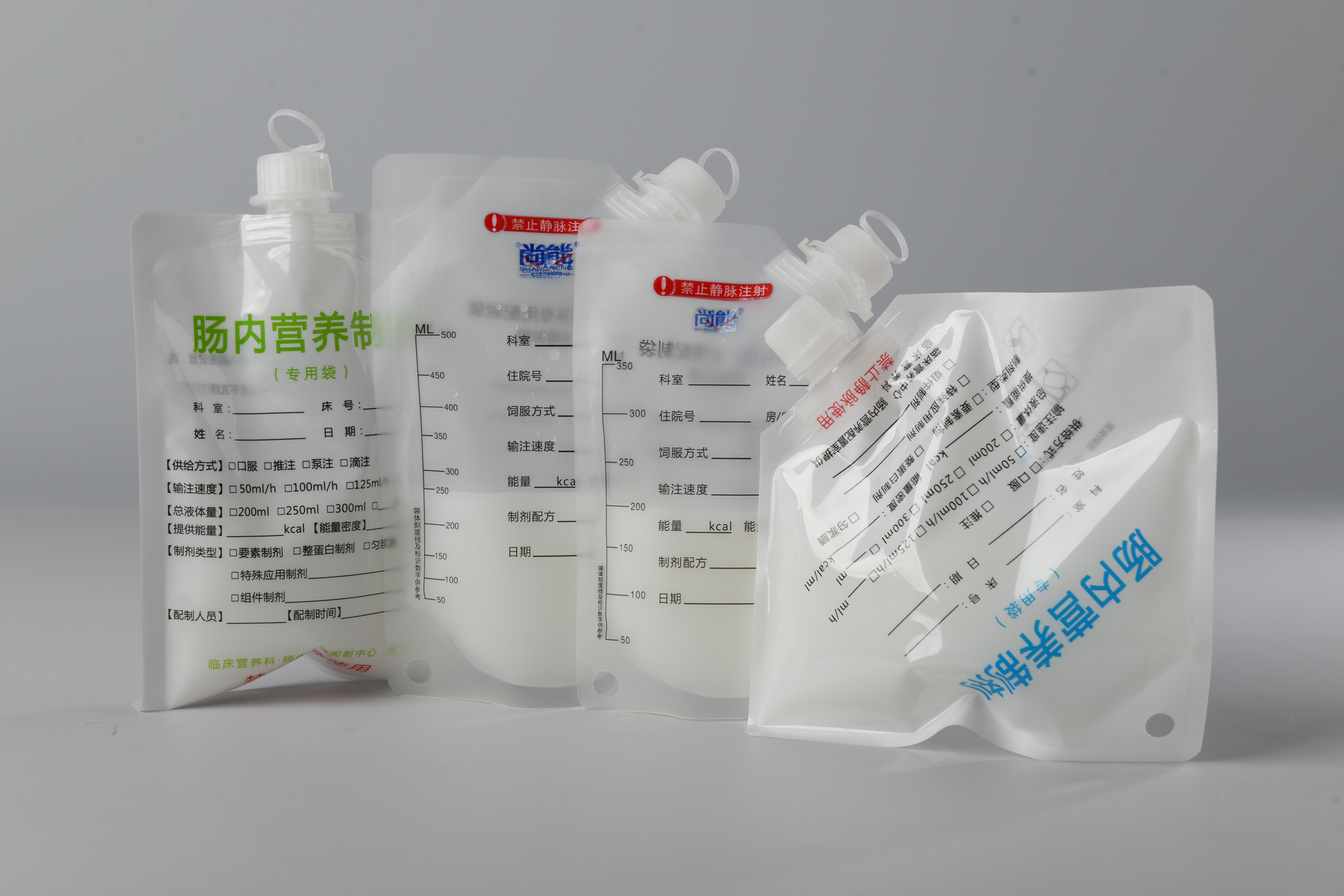
For successful dry heat sterilization of nylon pouches, it is crucial to adhere to specific guidelines. The sterilization cycle must be carefully monitored, including the preheating phase, exposure time, and cooling phase. This ensures that the entire load reaches the required temperature for the appropriate duration to achieve effective sterilization. It is also essential to avoid overloading the sterilizer, as this can hinder air circulation and lead to insufficient sterilization.
One consideration when using nylon pouches is their temperature tolerance. While nylon can withstand high temperatures, prolonged exposure may compromise the integrity of the material. Thus, healthcare professionals must ensure that the selected nylon pouches are specifically designed to endure the conditions of dry heat sterilization, maintaining their strength and barrier properties throughout the process.
Furthermore, regular validation and monitoring of the sterilization process are vital. This includes using biological indicators to verify the effectiveness of the sterilization cycle. By establishing a routine quality assurance protocol, healthcare facilities can ensure that their sterilization processes remain consistent and reliable.
In conclusion, dry heat sterilization of nylon pouches represents a critical method in the medical field for maintaining the safety and efficacy of medical instruments. Understanding the principles and best practices associated with this technique is fundamental for healthcare professionals tasked with sterilization processes. By utilizing nylon pouches correctly, medical facilities can enhance their infection control protocols and promote patient safety in their practice.
Key words:
recommend reading