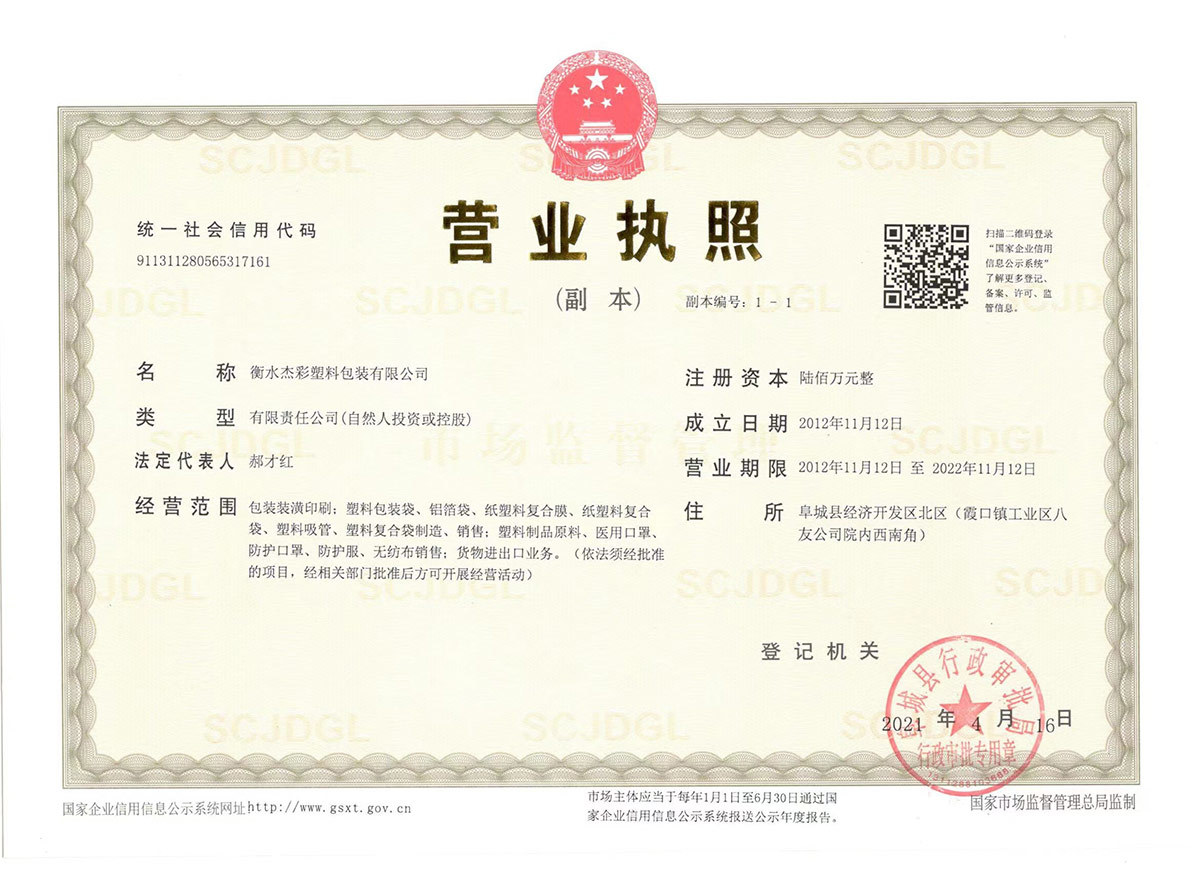
Jiecai plastic packaging, pharmaceutical packaging manufacturers




Self Seal Sterilisation Pouches: Streamlining Your Sterilisation Process for Optimal Efficiency
Release time:
21 Feb,2026
Self Seal Sterilisation Pouches: Streamlining Your Sterilisation Process Table of Contents 1. Introduction to Self Seal Sterilisation Pouches 2. The Importance of Effective Sterilisation 3. What Are Self Seal Sterilisation Pouches? 4. Benefits of Using Self Seal Sterilisation Pouches 5. Applications in Various Medical Fields 6. How to Use Self Seal Sterilisation Pouches Ef

Self Seal Sterilisation Pouches: Streamlining Your Sterilisation Process
Table of Contents
- 1. Introduction to Self Seal Sterilisation Pouches
- 2. The Importance of Effective Sterilisation
- 3. What Are Self Seal Sterilisation Pouches?
- 4. Benefits of Using Self Seal Sterilisation Pouches
- 5. Applications in Various Medical Fields
- 6. How to Use Self Seal Sterilisation Pouches Effectively
- 7. Best Practices for Optimising Sterilisation
- 8. Common Issues and How to Avoid Them
- 9. Conclusion
- 10. Frequently Asked Questions (FAQs)
1. Introduction to Self Seal Sterilisation Pouches
Sterilisation is a critical process in the medical and dental industries, ensuring that instruments are free from harmful microorganisms. Among the various methods of achieving sterilisation, **self-seal sterilisation pouches** stand out due to their convenience and effectiveness. These pouches not only simplify the process of sterilisation but also enhance the overall reliability of infection control measures.
In this article, we will delve into the specifics of self-seal sterilisation pouches, exploring their features, benefits, and best practices for use in medical environments.
2. The Importance of Effective Sterilisation
Effective sterilisation is paramount in clinical settings. The primary goal is to eliminate all pathogenic microorganisms, including bacteria, viruses, and fungi, from surgical instruments, dental tools, and other medical equipment. Failure to achieve proper sterilisation can lead to **post-operative infections**, extended hospital stays, and even legal repercussions for healthcare facilities.
Investing in high-quality sterilisation methods, including self-seal pouches, is not just about compliance; it’s about ensuring patient safety and maintaining trust in the healthcare system.
3. What Are Self Seal Sterilisation Pouches?
**Self-seal sterilisation pouches** are specialized bags designed to hold instruments during the sterilisation process. Made from durable materials, these pouches feature an adhesive strip that allows them to be sealed securely without the need for heat or additional sealing devices.
Typically, self-seal pouches are equipped with indicators that change colour when the sterilisation parameters—such as temperature and steam—are met, providing a visual confirmation that the contents have been sterilised effectively.
3.1 Features of Self Seal Sterilisation Pouches
The key features of self-seal sterilisation pouches include:
- **Easy-to-use design**: No need for complex sealing equipment.
- **Sterilisation indicators**: Clear visual cues to confirm sterility.
- **Variety of sizes**: Available in multiple dimensions to accommodate various instruments.
- **Durable materials**: Made from materials that withstand high temperatures and pressures.
4. Benefits of Using Self Seal Sterilisation Pouches
Understanding the benefits of self-seal sterilisation pouches can help healthcare providers make informed decisions about their sterilisation processes. Here are the primary advantages:
4.1 Enhanced Safety
Self-seal pouches minimize the risk of contamination by providing a secure seal that protects instruments from external pathogens during storage.
4.2 Time Efficiency
These pouches streamline the sterilisation process, allowing healthcare professionals to quickly package and seal instruments without additional tools or equipment.
4.3 Cost-Effectiveness
By reducing the need for external sealing machines and the potential for wasted materials, self-seal pouches can lead to significant savings over time.
4.4 Improved Storage
Self-seal sterilisation pouches can be conveniently stacked and stored, optimizing space while ensuring that sterilised instruments are readily available for use.
4.5 Compliance with Regulations
Using self-seal sterilisation pouches helps healthcare facilities comply with industry standards for infection control and sterilisation practices.
5. Applications in Various Medical Fields
Self-seal sterilisation pouches have versatile applications across multiple healthcare settings. Some of the most common areas of use include:
5.1 Dental Clinics
In dental practices, maintaining sterile instruments is crucial. Self-seal pouches allow for efficient packaging of dental tools, ensuring they remain sterile until the moment of use.
5.2 Surgical Theatres
In surgical settings, the need for sterile instruments is paramount. Self-seal pouches facilitate the quick preparation of tools, improving workflow and patient safety.
5.3 Veterinary Practices
Veterinary clinics also benefit from self-seal sterilisation pouches for surgical instruments, helping to ensure animal health and safety.
5.4 Laboratories
In research and laboratory settings, these pouches can be used to sterilise equipment, preventing contamination of samples and ensuring reliable results.
6. How to Use Self Seal Sterilisation Pouches Effectively
Using self-seal sterilisation pouches correctly is essential for optimal performance. Follow these steps for effective usage:
6.1 Prepare Instruments
Clean and prepare all instruments as per standard operating procedures before placing them in the pouches.
6.2 Load the Pouch
Insert the instruments into the pouch, ensuring not to overfill, as this can hinder the sterilisation process.
6.3 Seal the Pouch
Press along the adhesive strip to create a secure seal, ensuring that no air can escape and that the contents are protected.
6.4 Mark the Pouch
Label each pouch with important information, including the date of sterilisation and contents, for easy identification.
6.5 Sterilise
Place the sealed pouches in the sterilisation device, ensuring they are positioned correctly for effective sterilisation.
7. Best Practices for Optimising Sterilisation
To ensure the highest standards of sterilisation, consider the following best practices:
7.1 Regular Training for Staff
Ensure that all staff members are trained in the proper use of self-seal sterilisation pouches and understand the importance of compliance with sterilisation protocols.
7.2 Routine Equipment Maintenance
Regularly maintain and calibrate sterilisation equipment to ensure it operates efficiently and effectively.
7.3 Monitor Sterilisation Processes
Implement monitoring systems to keep track of sterilisation cycles and ensure that parameters are met consistently.
7.4 Use Quality Products
Invest in high-quality self-seal sterilisation pouches and sterilisation equipment to guarantee reliability and effectiveness.
8. Common Issues and How to Avoid Them
While self-seal sterilisation pouches are generally reliable, issues can arise. Here are some common problems and ways to avoid them:
8.1 Improper Sealing
Ensure that the adhesive strip is pressed firmly and evenly. Inspect the seal before placing it in the steriliser.
8.2 Overfilling Pouches
Avoid cramming too many instruments into a pouch, as this can lead to ineffective sterilisation.
8.3 Using Expired Pouches
Check the expiration date on the packaging and avoid using pouches that have passed their expiration to ensure sterility.
8.4 Inadequate Sterilisation Process
Follow the manufacturer’s guidelines and protocols for the sterilisation equipment to achieve optimal results.
9. Conclusion
Self-seal sterilisation pouches are an essential tool in modern healthcare, offering a practical and efficient solution for sterilising instruments. By understanding their benefits, applications, and best practices, healthcare providers can enhance their sterilisation processes, ensuring patient safety and compliance with industry standards. Investing in quality self-seal pouches not only streamlines workflows but also plays a crucial role in maintaining high standards of infection control.
10. Frequently Asked Questions (FAQs)
10.1 What are self-seal sterilisation pouches made of?
Self-seal sterilisation pouches are typically made from a combination of medical-grade paper and plastic, designed to withstand high temperatures during the sterilisation process.
10.2 How do I know if the sterilisation process was successful?
Most self-seal pouches have built-in indicators that change colour when the correct sterilisation conditions are met.
10.3 Can I use self-seal sterilisation pouches for all types of instruments?
While they are versatile, it’s essential to check the compatibility of the pouches with specific instruments and the type of sterilisation method being used.
10.4 How should I store sterilised instruments after using self-seal pouches?
Store sterilised instruments in a clean, dry environment away from direct sunlight or contaminants to maintain their sterility.
10.5 Are self-seal sterilisation pouches environmentally friendly?
Some manufacturers offer eco-friendly options; however, it’s essential to consult the product specifications to understand their environmental impact.
By implementing the advice presented in this article, healthcare facilities can significantly improve their sterilisation processes, ensuring safety and efficiency in patient care.
Key words:
recommend reading