Jiecai plastic packaging, pharmaceutical packaging manufacturers




The Environmental Impact of Instant Sealing Sterilization Pouches: A Comprehensive Analysis
Release time:
09 Feb,2025
The Environmental Impact of Instant Sealing Sterilization Pouches: A Comprehensive Analysis Table of Contents 1. Introduction 2. What Are Instant Sealing Sterilization Pouches? 3. The Importance of Sterilization in Healthcare 4. Environmental Impacts of Production 5. Usage and Disposal Challenges 6. Sustainable Alternatives to Traditional Pouches 7. The Future of S

The Environmental Impact of Instant Sealing Sterilization Pouches: A Comprehensive Analysis
Table of Contents
- 1. Introduction
- 2. What Are Instant Sealing Sterilization Pouches?
- 3. The Importance of Sterilization in Healthcare
- 4. Environmental Impacts of Production
- 5. Usage and Disposal Challenges
- 6. Sustainable Alternatives to Traditional Pouches
- 7. The Future of Sterilization Pouches in a Sustainable World
- 8. Frequently Asked Questions (FAQs)
- 9. Conclusion
1. Introduction
In the medical field, **sterilization** is a procedure that ensures the elimination of all forms of microbial life, including bacteria, viruses, and spores. Among the various methods employed, instant sealing sterilization pouches have gained popularity due to their convenience and effectiveness. However, as the world shifts towards sustainability, the **environmental impact** of these pouches deserves closer scrutiny. This article explores the potential consequences of instant sealing sterilization pouches on the environment and discusses sustainable alternatives available today.
2. What Are Instant Sealing Sterilization Pouches?
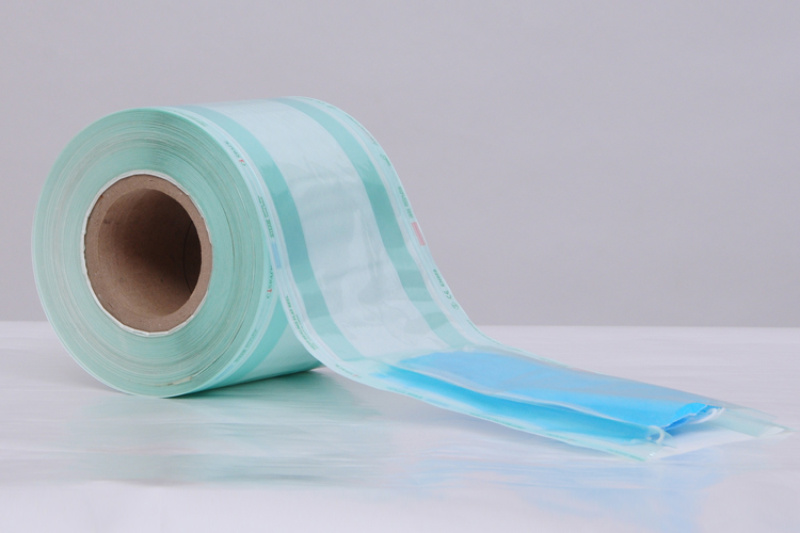
Instant sealing sterilization pouches are specialized packaging devices designed to hold medical instruments during the sterilization process. Typically made from a combination of **polymer films** and paper, these pouches provide a barrier against contamination. The **instant sealing** feature allows healthcare providers to securely seal instruments quickly, maintaining sterility until they are ready for use.
The Composition of Instant Sealing Sterilization Pouches
The primary materials used in these pouches include:
- **Polyethylene**: A lightweight, moisture-resistant plastic.
- **Polypropylene**: Offers durability and resistance to chemical exposure.
- **Kraft paper**: Provides breathability, allowing steam penetration during sterilization.
While effective, these materials raise environmental concerns due to their non-biodegradable nature.
3. The Importance of Sterilization in Healthcare
Sterilization is critical in preventing infections and ensuring patient safety. It is particularly vital in:
- **Surgical Procedures**: Reduces the risk of postoperative infections.
- **Dental Practices**: Ensures that equipment is free from pathogens.
- **Laboratories**: Maintains the integrity of scientific research by preventing contamination.
Inadequate sterilization can result in severe health risks, making the use of effective sterilization methods non-negotiable in the healthcare industry.
4. Environmental Impacts of Production
The production of instant sealing sterilization pouches involves several environmentally taxing processes:
Resource Extraction
The extraction of raw materials for plastic production, such as petroleum, significantly contributes to **carbon emissions** and environmental degradation. The extraction processes often lead to habitat loss and pollution of natural resources.
Manufacturing Process
The manufacturing of sterilization pouches requires energy-intensive processes, releasing additional greenhouse gases into the atmosphere. Furthermore, chemicals utilized during production can pollute local water sources, affecting ecosystems and human health.
Packaging and Transportation
The packaging of sterilization pouches involves the use of additional plastics, which contribute to waste. Additionally, the transportation of these products from manufacturers to healthcare facilities adds another layer of environmental impact through fuel consumption and emissions.
5. Usage and Disposal Challenges
After their use, instant sealing sterilization pouches pose significant challenges in terms of disposal:
Single-Use Nature
Being primarily single-use, these pouches contribute to the growing problem of medical waste. The **World Health Organization** estimates that healthcare facilities generate approximately **16 billion** tons of waste annually, with a significant proportion being non-biodegradable plastics.
Improper Disposal Methods
Many healthcare facilities do not have proper protocols for disposing of sterilization pouches. In many cases, they are incinerated, leading to toxic emissions, or end up in landfills, where they can take hundreds of years to decompose.
Microplastics and Pollution
The breakdown of sterilization pouches in landfills can contribute to the proliferation of **microplastics** in the environment, which have been shown to adversely affect aquatic life and can enter the food chain, posing health risks to humans.
6. Sustainable Alternatives to Traditional Pouches
As awareness of the environmental issues associated with single-use medical products grows, many manufacturers are exploring more sustainable alternatives:
Biodegradable Sterilization Pouches
Some companies are now producing sterilization pouches using biodegradable materials that break down more rapidly in the environment. These pouches offer similar functionality without the long-term environmental impact.
Reusable Sterilization Containers
Reusable sterilization containers are designed for multiple uses and can significantly reduce waste. These containers are often made from durable materials that can withstand repeated sterilization cycles, making them a more sustainable option in the long run.
Improved Recycling Programs
Healthcare facilities can also implement improved recycling programs that focus on the proper disposal of sterilization pouches. Partnering with companies specializing in medical waste recycling can help mitigate the environmental impact.
7. The Future of Sterilization Pouches in a Sustainable World
As the healthcare industry evolves, the push for sustainability will likely lead to significant changes in the production and use of sterilization pouches:
Regulatory Changes
Governments and health organizations may introduce regulations to minimize the environmental impact of medical waste, compelling manufacturers to innovate and adopt sustainable practices.
Advancements in Materials Science
Continued advancements in materials science may lead to the development of new, eco-friendly materials that can be used in sterilization pouches, further reducing their environmental footprint.
Healthcare Provider Awareness
As healthcare providers become more aware of their environmental impact, there will be greater demand for sustainable products. This shift in consumer behavior can encourage manufacturers to prioritize sustainability in their product offerings.
8. Frequently Asked Questions (FAQs)
What are instant sealing sterilization pouches made from?
Instant sealing sterilization pouches are primarily made from a combination of polyethylene, polypropylene, and kraft paper.
Why is sterilization important in healthcare?
Sterilization is crucial in healthcare to eliminate pathogens, thereby preventing infections during medical procedures.
What happens to sterilization pouches after use?
After use, sterilization pouches often enter medical waste streams, leading to environmental concerns if not disposed of properly.
Are there eco-friendly alternatives to traditional sterilization pouches?
Yes, biodegradable sterilization pouches and reusable sterilization containers are some eco-friendly alternatives available today.
How can healthcare facilities improve their waste disposal methods?
Healthcare facilities can improve waste disposal by implementing recycling programs and partnering with companies specializing in medical waste management.
9. Conclusion
The environmental impact of instant sealing sterilization pouches is a pressing issue that cannot be overlooked. While these pouches play a vital role in ensuring sterility within the medical field, their environmental consequences demand immediate attention. By understanding the production, usage, and disposal challenges associated with these products, we can advocate for more sustainable practices within healthcare. The future of sterilization pouches lies in innovation, awareness, and a collective commitment to reducing our ecological footprint. Transitioning to eco-friendly alternatives is not just a choice; it is a necessity for ensuring a healthier planet for future generations.
Key words:
recommend reading