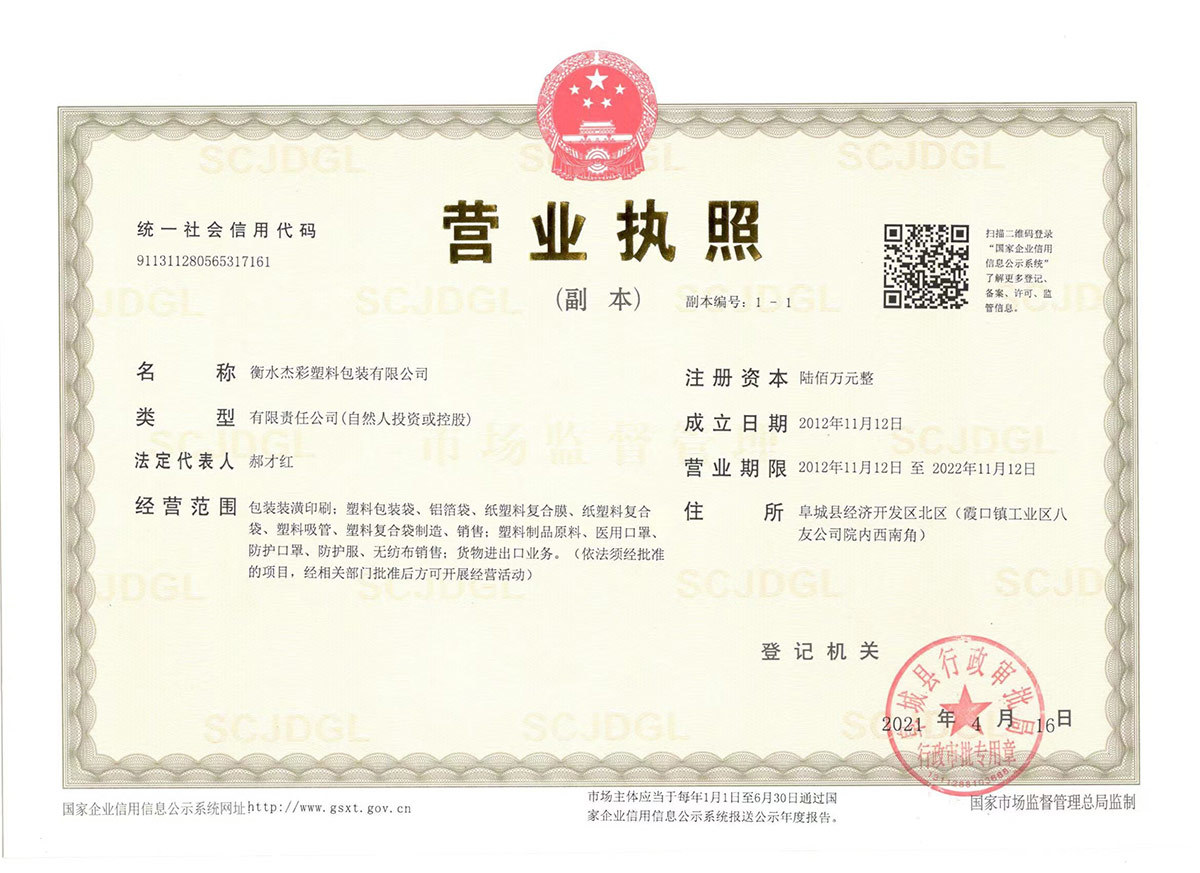
Jiecai plastic packaging, pharmaceutical packaging manufacturers




A Comprehensive Exploration of Self-Sealing Autoclave Bags: Essential for Surgical Instrument Sterilization
Release time:
23 Dec,2025
A Comprehensive Exploration of Self-Sealing Autoclave Bags: Essential for Surgical Instrument Sterilization Table of Contents 1. Introduction to Self-Sealing Autoclave Bags 2. Understanding the Sterilization Process 3. Benefits of Self-Sealing Autoclave Bags for Surgical Instruments 3.1. Time Efficiency and Convenience 3.2. Enhanced Safety and Contamination Prevention 3.3. Cost-Effectiveness and R

A Comprehensive Exploration of Self-Sealing Autoclave Bags: Essential for Surgical Instrument Sterilization
Table of Contents
1. Introduction to Self-Sealing Autoclave Bags
2. Understanding the Sterilization Process
3. Benefits of Self-Sealing Autoclave Bags for Surgical Instruments
3.1. Time Efficiency and Convenience
3.2. Enhanced Safety and Contamination Prevention
3.3. Cost-Effectiveness and Resource Management
4. Key Features of Quality Self-Sealing Autoclave Bags
4.1. Material Composition and Durability
4.2. Visibility and Identification
5. How to Use Self-Sealing Autoclave Bags Correctly
5.1. Preparation of Instruments
5.2. Proper Sealing Techniques
5.3. Guidelines for Autoclave Settings
6. Common Mistakes to Avoid with Self-Sealing Autoclave Bags
7. Frequently Asked Questions (FAQs)
7.1. What are self-sealing autoclave bags made from?
7.2. Can self-sealing autoclave bags be reused?
7.3. How do I know if my autoclave is functioning properly?
7.4. What is the shelf life of self-sealing autoclave bags?
7.5. Are there specific storage conditions for these bags?
8. Conclusion: The Role of Self-Sealing Autoclave Bags in Modern Healthcare
1. Introduction to Self-Sealing Autoclave Bags
In the realm of healthcare, maintaining a sterile environment is paramount, especially when it comes to surgical procedures. Self-sealing autoclave bags are pivotal tools designed for the effective sterilization of surgical instruments. These bags simplify the sterilization process, allowing healthcare professionals to prepare instruments for surgery efficiently and safely. In this article, we will explore the various aspects of self-sealing autoclave bags, emphasizing their importance in modern medical practices.
2. Understanding the Sterilization Process
Sterilization is the process of eliminating all forms of microbial life, including bacteria, viruses, and spores, from surgical instruments. The autoclave, a key device in this process, uses steam under pressure to achieve sterilization. The combination of heat and moisture ensures that instruments are free from any contaminants before they are used in surgical procedures. Understanding the intricacies of this process helps in appreciating the role of self-sealing autoclave bags.
3. Benefits of Self-Sealing Autoclave Bags for Surgical Instruments
3.1. Time Efficiency and Convenience
Self-sealing autoclave bags are designed to be user-friendly, significantly reducing preparation time. Unlike traditional sterilization methods that require additional seals or fasteners, these self-sealing bags offer a straightforward solution. The built-in adhesive strip allows for quick sealing, enabling healthcare professionals to focus more on patient care than on instrument preparation.
3.2. Enhanced Safety and Contamination Prevention
Safety is a primary concern in healthcare, and self-sealing autoclave bags play a critical role in preventing contamination. These bags are engineered to provide a secure barrier against external contaminants during the sterilization process. By using self-sealing bags, healthcare facilities can minimize the risk of infection, ensuring a safer environment for both patients and staff.
3.3. Cost-Effectiveness and Resource Management
In addition to their convenience and safety features, self-sealing autoclave bags are also cost-effective. They require no additional sealing materials or equipment, which can significantly reduce operational costs over time. Furthermore, their disposable nature means that healthcare facilities can maintain effective sterilization practices without the burden of complex cleaning protocols associated with reusable alternatives.
4. Key Features of Quality Self-Sealing Autoclave Bags
4.1. Material Composition and Durability
Quality self-sealing autoclave bags are typically made from durable, heat-resistant materials such as polyethylene or polypropylene. These materials can withstand the high temperatures and pressures of the autoclave process without compromising their integrity. Choosing bags made from reliable materials ensures that the sterilization process is effective and that the instruments remain protected.
4.2. Visibility and Identification
Effective sterilization also includes proper identification of the contents inside the bag. Many self-sealing autoclave bags feature clear windows or printed labels that allow healthcare professionals to easily identify the instruments within. This feature is crucial for ensuring that the right instruments are used during surgical procedures and for maintaining accurate inventory records.
5. How to Use Self-Sealing Autoclave Bags Correctly
5.1. Preparation of Instruments
Before placing instruments in self-sealing autoclave bags, it is essential to clean and properly dry them. Any residual organic matter can interfere with the sterilization process, so thorough cleaning is crucial. Once cleaned, instruments can be arranged inside the bag without overcrowding, ensuring that steam can circulate freely during the autoclave cycle.
5.2. Proper Sealing Techniques
To achieve an effective seal with self-sealing autoclave bags, it is important to follow the manufacturer's instructions carefully. Most bags come with a designated area for sealing. Simply press down the adhesive strip to secure the bag once the instruments are inside. It is recommended to check the seal visually to ensure that it is secure and intact before placing the bag in the autoclave.
5.3. Guidelines for Autoclave Settings
The autoclave settings can vary depending on the model and the type of materials being sterilized. Generally, a temperature of 121°C (250°F) for a minimum of 30 minutes is effective for sterilizing surgical instruments. However, it is always important to consult the autoclave's manual and follow the recommended settings to ensure optimal sterilization results.
6. Common Mistakes to Avoid with Self-Sealing Autoclave Bags
Despite their ease of use, there are common pitfalls that healthcare professionals should avoid when working with self-sealing autoclave bags. These include:
- **Overpacking the bags:** This can restrict steam circulation and compromise sterilization.
- **Using damaged bags:** Always inspect bags for tears or defects before use.
- **Ignoring expiration dates:** Self-sealing bags have a shelf life, and using expired bags can jeopardize sterilization effectiveness.
- **Inadequate cleaning of instruments:** Ensure all instruments are thoroughly cleaned and dried before sterilization.
7. Frequently Asked Questions (FAQs)
7.1. What are self-sealing autoclave bags made from?
Self-sealing autoclave bags are typically made from durable materials such as polyethylene or polypropylene, which can withstand high temperatures and pressures during the sterilization process.
7.2. Can self-sealing autoclave bags be reused?
No, self-sealing autoclave bags are designed for single use only to ensure optimal sterilization and prevent contamination.
7.3. How do I know if my autoclave is functioning properly?
Regular maintenance and calibration of the autoclave are crucial. Monitoring temperature and pressure settings during cycles and using biological indicators can help verify its proper functioning.
7.4. What is the shelf life of self-sealing autoclave bags?
The shelf life can vary by manufacturer but typically ranges from two to five years. Always check the packaging for specific expiration dates.
7.5. Are there specific storage conditions for these bags?
Self-sealing autoclave bags should be stored in a cool, dry place away from direct sunlight and moisture to maintain their integrity over time.
8. Conclusion: The Role of Self-Sealing Autoclave Bags in Modern Healthcare
Self-sealing autoclave bags are essential tools in the sterilization of surgical instruments, providing healthcare professionals with a reliable and efficient means of ensuring patient safety. Their user-friendly design, combined with cost-effectiveness and contamination prevention, makes them a preferred choice in modern medical practices. By understanding the correct usage and benefits of these bags, healthcare facilities can enhance their sterilization protocols, ultimately contributing to improved patient outcomes and safety in surgical environments. Investing in quality self-sealing autoclave bags is not just a matter of convenience; it is a crucial step towards maintaining the highest standards of care in healthcare settings.
Key words:
recommend reading