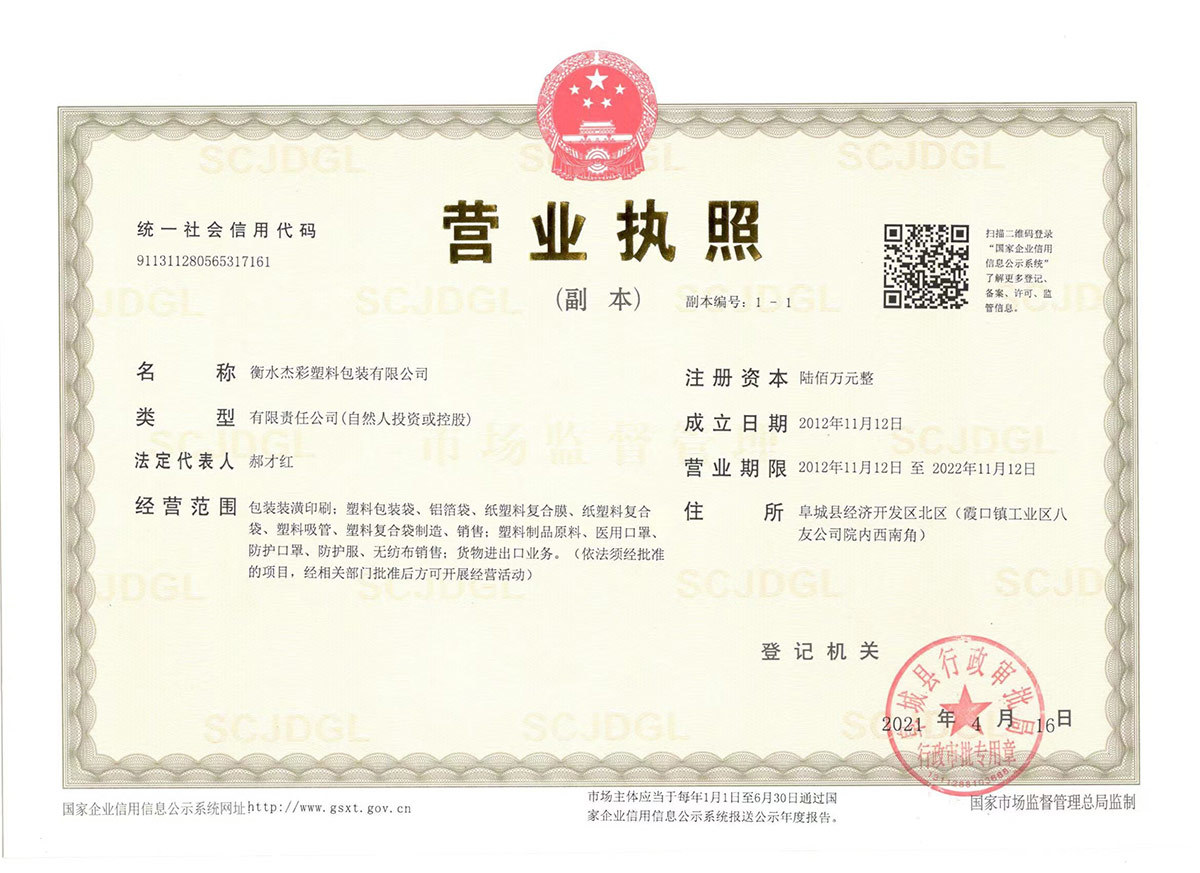
Jiecai plastic packaging, pharmaceutical packaging manufacturers




Tyvek Sterilization Pouches vs. Traditional Sterilization Methods: A Comprehensive Comparison
Release time:
01 Nov,2025
Tyvek Sterilization Pouches vs. Traditional Sterilization Methods: A Comprehensive Comparison Table of Contents 1. Introduction to Sterilization in Healthcare 2. The Importance of Sterilization in Medical Environments 3. Overview of Traditional Sterilization Methods 3.1 Steam Sterilization 3.2 Chemical Sterilization 3.3 Dry Heat Sterilizati

Tyvek Sterilization Pouches vs. Traditional Sterilization Methods: A Comprehensive Comparison
Table of Contents
- 1. Introduction to Sterilization in Healthcare
- 2. The Importance of Sterilization in Medical Environments
- 3. Overview of Traditional Sterilization Methods
- 3.1 Steam Sterilization
- 3.2 Chemical Sterilization
- 3.3 Dry Heat Sterilization
- 3.4 Ethylene Oxide Sterilization
- 4. Understanding Tyvek Sterilization Pouches
- 5. Comparing Tyvek Sterilization Pouches and Traditional Methods
- 6. Regulatory Standards and Compliance
- 7. The Future of Sterilization Practices
- 8. Frequently Asked Questions
- 9. Conclusion
1. Introduction to Sterilization in Healthcare
In the medical field, **sterilization** is a critical process that ensures the elimination of all forms of microbial life, including bacteria, viruses, and spores. The effectiveness of sterilization directly impacts patient safety, infection control, and overall healthcare outcomes. As the demand for efficient and reliable sterilization methods grows, new technologies and materials, such as **Tyvek sterilization pouches**, are gaining attention. This article provides a comprehensive comparison of Tyvek sterilization pouches and traditional sterilization methods, helping healthcare professionals choose the best practices for their environments.
2. The Importance of Sterilization in Medical Environments
Sterilization is not merely a routine procedure; it is a fundamental aspect of infection prevention. In surgical settings, the risk of implanting infectious agents can lead to severe postoperative complications, extended hospital stays, and increased healthcare costs. Regulatory bodies demand stringent sterilization protocols to maintain safety standards and protect both patients and healthcare workers.
Understanding the nuances of sterilization methods is vital in selecting the right approach for various medical instruments, ensuring that they are safe for reuse and effective in clinical procedures.
3. Overview of Traditional Sterilization Methods
Healthcare facilities traditionally rely on several sterilization methods, each with its own benefits and limitations. Below is an overview of the most commonly used traditional sterilization techniques.
3.1 Steam Sterilization
**Steam sterilization**, also known as autoclaving, is one of the most widely used methods. This process utilizes pressurized steam at high temperatures (typically 121-134°C) to kill microorganisms. It is effective for most heat and moisture-stable instruments but can damage heat-sensitive materials.
3.2 Chemical Sterilization
Chemical sterilization employs chemical agents, such as hydrogen peroxide or glutaraldehyde, to eliminate pathogens. This method is often used for delicate instruments that cannot withstand high temperatures. While effective, chemical sterilization carries risks of toxicity and requires thorough rinsing to remove harmful residue.
3.3 Dry Heat Sterilization
Dry heat sterilization involves circulating hot air at elevated temperatures (typically between 160-180°C) for longer durations. It is suitable for materials that might be damaged by moisture but is generally less effective than steam sterilization.
3.4 Ethylene Oxide Sterilization
Ethylene oxide (EtO) sterilization is a low-temperature method ideal for heat-sensitive medical devices. EtO gas penetrates packaging and devices, effectively killing microorganisms. However, it has a longer cycle time and requires aeration to eliminate residual gas, which can be a drawback in busy clinical settings.
4. Understanding Tyvek Sterilization Pouches
Tyvek is a brand of high-density polyethylene fibers that have been engineered to provide a strong, lightweight, and breathable material. In the context of sterilization, Tyvek pouches are increasingly used to package surgical instruments and medical devices.
4.1 Advantages of Using Tyvek Sterilization Pouches
- **Barrier Protection**: Tyvek pouches offer an excellent barrier against microbial contamination and environmental factors, ensuring the sterility of the contents until they are opened.
- **Breathability**: The breathable nature of Tyvek allows for effective sterilization while preventing moisture accumulation, which can lead to recontamination.
- **Durability**: Tyvek pouches are resistant to tearing and puncturing, making them ideal for protecting delicate instruments during storage and transportation.
4.2 Applications of Tyvek Sterilization Pouches
Tyvek sterilization pouches are used in various medical settings, including:
- **Surgical Instruments**: Packaging surgical tools for procedures to maintain sterility.
- **Dental Devices**: Ensuring oral surgery instruments are free from contamination.
- **Laboratory Equipment**: Protecting tools used in laboratory settings from microbial exposure.
5. Comparing Tyvek Sterilization Pouches and Traditional Methods
When evaluating sterilization practices, it is essential to compare Tyvek sterilization pouches with traditional methods based on several criteria.
5.1 Effectiveness
Tyvek pouches, when used in conjunction with appropriate sterilization processes (e.g., steam or ethylene oxide), provide a reliable means of ensuring that instruments remain sterile. Traditional methods also offer high effectiveness, but their limitations can make them less suitable for certain materials.
5.2 Safety
Safety is a paramount concern in healthcare. Tyvek pouches do not rely on toxic chemicals for sterilization, which mitigates safety risks associated with chemical sterilization methods. In contrast, methods like EtO pose potential hazards if not properly managed.
5.3 Cost-Effectiveness
While initial costs for Tyvek pouches may be higher than traditional packaging materials, their durability and effectiveness can lead to cost savings in the long run. The reduction in instrument contamination rates translates to fewer restock costs and minimized instrument loss.
6. Regulatory Standards and Compliance
Compliance with regulatory standards such as those set by the FDA and ISO is crucial in sterilization processes. Both Tyvek pouches and traditional sterilization methods must meet stringent guidelines to ensure the safety and efficacy of medical devices. Understanding these requirements is essential for healthcare facilities aiming to maintain accreditation and quality assurance.
7. The Future of Sterilization Practices
As technology advances, the landscape of sterilization methods is evolving. Innovations in materials and processes, including the development of **self-sterilizing** packaging and eco-friendly methods, are expected to shape the future of sterilization in healthcare. Tyvek sterilization pouches are likely to continue to play a vital role due to their unique properties and adaptability.
8. Frequently Asked Questions
1. What are Tyvek sterilization pouches made of?
Tyvek sterilization pouches are made from high-density polyethylene fibers, engineered to provide excellent barrier protection and breathability.
2. Can Tyvek pouches be used with all sterilization methods?
Yes, Tyvek pouches can be effectively used with steam, ethylene oxide, and other sterilization methods, ensuring the sterility of the contents.
3. Are Tyvek sterilization pouches more expensive than traditional packaging?
While Tyvek pouches may have a higher initial cost, their durability and effectiveness can lead to overall cost savings in a clinical setting.
4. How long do instruments remain sterile in Tyvek pouches?
Instruments remain sterile in Tyvek pouches until the pouch is opened or compromised. Proper storage conditions further enhance the duration of sterility.
5. Are Tyvek pouches environmentally friendly?
Tyvek is recyclable and can be disposed of in accordance with local regulations, making it a more environmentally friendly option compared to some traditional sterilization packaging.
9. Conclusion
In conclusion, the choice between **Tyvek sterilization pouches** and traditional sterilization methods depends on various factors, including effectiveness, safety, cost, and regulatory compliance. Tyvek pouches offer numerous advantages, such as barrier protection and breathability, making them an increasingly popular option in medical settings. As healthcare evolves, embracing innovative sterilization practices will be crucial to ensuring patient safety and improving overall healthcare outcomes. Understanding the full scope of sterilization methods will empower healthcare professionals to make informed decisions that prioritize safety and efficacy.
Key words:
recommend reading