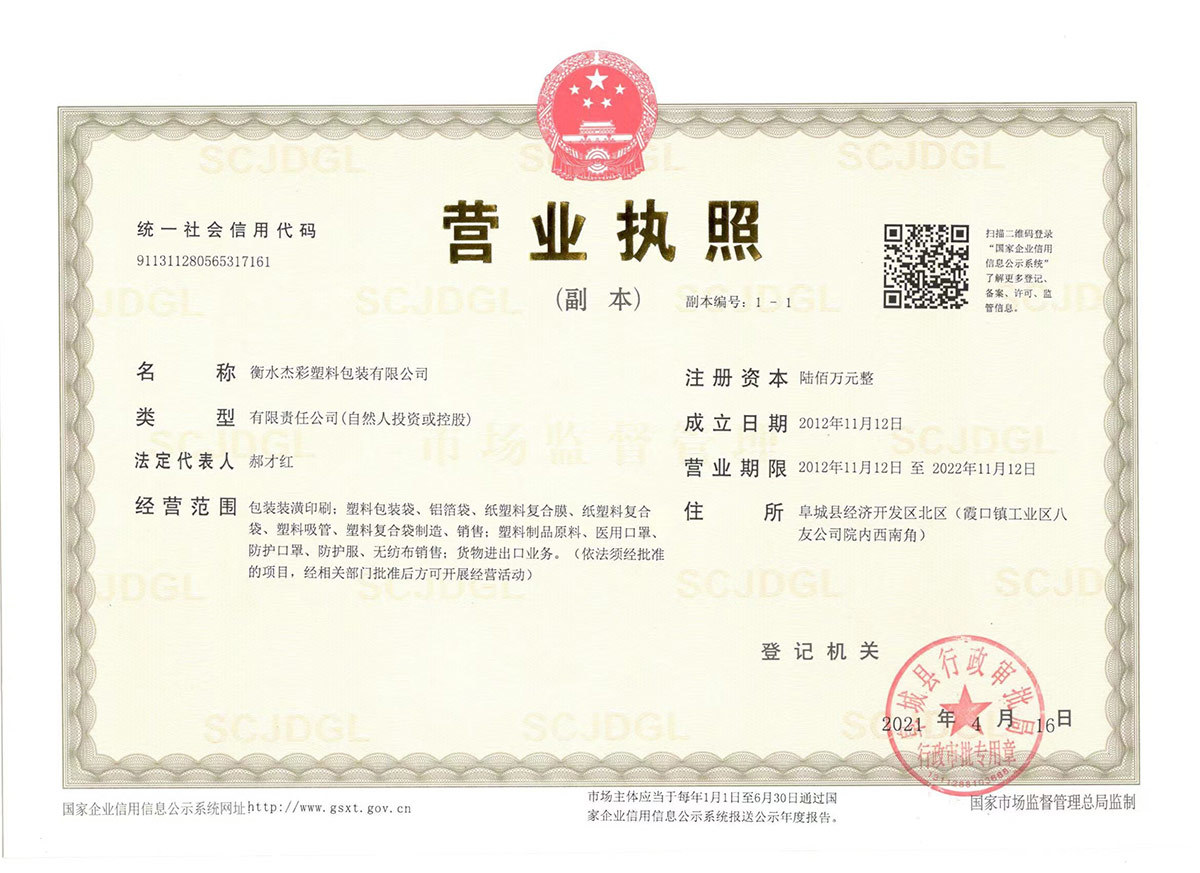
Jiecai plastic packaging, pharmaceutical packaging manufacturers




Self Sealing Autoclave Bags vs. Traditional Methods: Which is More Effective?
Release time:
23 Sep,2025
Self Sealing Autoclave Bags vs. Traditional Methods: Which is More Effective? Table of Contents 1. Introduction to Sterilization Techniques 2. Understanding Self Sealing Autoclave Bags 2.1 Key Features and Benefits 2.2 Usage Guide for Self-Sealing Bags 3. Traditional Sterilization Methods 3.1 Steam Sterilization: The Gold

Self Sealing Autoclave Bags vs. Traditional Methods: Which is More Effective?
Table of Contents
- 1. Introduction to Sterilization Techniques
- 2. Understanding Self Sealing Autoclave Bags
- 3. Traditional Sterilization Methods
- 4. Comparing Self Sealing Autoclave Bags and Traditional Methods
- 5. Case Studies and Real-World Applications
- 6. Frequently Asked Questions
- 7. Conclusion
1. Introduction to Sterilization Techniques
In the realm of healthcare, proper sterilization is paramount to ensuring patient safety and preventing infections. As medical technology advances, the techniques for achieving effective sterilization have evolved significantly. Among these, **self-sealing autoclave bags** have gained popularity due to their convenience and effectiveness. This article aims to compare these modern bags with traditional sterilization methods, ultimately determining which is more effective for diverse medical applications.
2. Understanding Self Sealing Autoclave Bags
2.1 Key Features and Benefits
Self-sealing autoclave bags are specially designed to facilitate the sterilization process. Key features include:
- **Heat Resistance**: These bags can withstand the high temperatures of the autoclave.
- **Tamper-Evident Seal**: Once sealed, they provide a clear indication if the bag has been compromised.
- **Convenience**: Their design allows for easy sealing without the need for additional tools.
- **Clear Visibility**: The translucent material enables easy identification of contents without opening the bag.
The **benefits** of using self-sealing autoclave bags are manifold. They save time during the preparation phase, reduce the risk of contamination, and enhance safety during sterilization.
2.2 Usage Guide for Self-Sealing Bags
To maximize the effectiveness of self-sealing autoclave bags, proper usage is essential:
1. **Preparation**: Place instruments in the bag, ensuring they are clean and dry.
2. **Sealing**: Fold the top of the bag down and press firmly to create a seal.
3. **Loading**: Place the bag into the autoclave ensuring adequate space for steam circulation.
4. **Sterilization Cycle**: Select the appropriate sterilization cycle based on the load type.
5. **Post-Sterilization**: Allow the bag to cool before handling to avoid burns.
3. Traditional Sterilization Methods
3.1 Steam Sterilization: The Gold Standard
Steam sterilization, often referred to as autoclaving, is a widely accepted method in healthcare. It employs high-pressure steam to kill bacteria, viruses, and spores. The process involves:
- **Pre-conditioning**: Removing air from the chamber to ensure complete steam penetration.
- **Exposure**: Maintaining the appropriate temperature (typically 121°C) for a designated time (usually 15-30 minutes).
- **Drying**: Ensuring instruments are dried adequately to prevent corrosion.
This method is highly effective, but it requires meticulous attention to detail, including monitoring temperature and pressure.
3.2 Chemical Sterilization Techniques
Chemical sterilization utilizes chemical agents to achieve sterilization. Common methods include:
- **Ethylene Oxide (EtO)**: This gas is effective for heat-sensitive instruments but requires lengthy aeration post-sterilization to eliminate toxicity.
- **Hydrogen Peroxide**: Vaporized hydrogen peroxide is a faster alternative to EtO, providing effective sterilization for various items.
While chemical methods are beneficial for certain instruments, they often come with handling risks and require careful planning.
4. Comparing Self Sealing Autoclave Bags and Traditional Methods
4.1 Effectiveness in Sterilization
When comparing the effectiveness of self-sealing autoclave bags and traditional methods, several factors come into play:
- **Microbial Elimination**: Studies show that self-sealing bags, when used correctly in autoclaves, achieve similar microbial elimination rates as traditional methods.
- **Cross-Contamination**: Self-sealing bags effectively minimize the risk of cross-contamination due to their hermetic seal, enhancing overall safety.
Ultimately, both methods can achieve high levels of sterilization efficacy, but self-sealing bags offer advantages in controlling the sterilization environment.
4.2 Cost-Effectiveness Analysis
Cost is a critical consideration in any medical facility. Analyzing the cost-effectiveness of self-sealing autoclave bags versus traditional methods reveals:
- **Initial Investment**: Self-sealing bags often represent a higher upfront cost compared to traditional wrapping materials.
- **Operational Efficiency**: The time saved in preparation and sealing with self-sealing bags can lead to lower labor costs.
- **Long-term Savings**: The reduced risk of contamination may ultimately decrease costs related to infection control measures.
In many cases, the operational efficiencies gained by using self-sealing bags can offset their initial higher costs.
5. Case Studies and Real-World Applications
Numerous healthcare facilities have adopted self-sealing autoclave bags with positive outcomes. For example:
- **Case Study 1**: A dental clinic transitioned to self-sealing bags and reported a 30% reduction in time spent on sterilization prep, leading to improved workflow.
- **Case Study 2**: A surgical center demonstrated a decrease in infection rates after implementing self-sealing bags, contributing to enhanced patient safety.
These examples underscore the value of adopting innovative sterilization methods in clinical settings.
6. Frequently Asked Questions
1. Are self-sealing autoclave bags reusable?
Self-sealing autoclave bags are designed for single use. Reusing them can compromise sterilization and lead to contamination.
2. How do I know if my self-sealing bags are effective?
To ensure effectiveness, use chemical indicators or biological indicators within the bag during the sterilization cycle to verify proper sterilization.
3. Can self-sealing autoclave bags be used with all types of instruments?
While they are suitable for a variety of instruments, self-sealing bags are not recommended for porous materials or items needing special sterilization methods.
4. What is the shelf life of self-sealing autoclave bags?
Self-sealing bags typically have a shelf life of up to 2 years if stored correctly in a cool, dry place away from direct sunlight.
5. Do self-sealing bags provide complete protection from contamination?
While self-sealing bags significantly reduce the risk of contamination, they should be handled properly and stored in clean environments to maintain their integrity.
7. Conclusion
In the comparison of self-sealing autoclave bags and traditional sterilization methods, both approaches have their merits. Self-sealing bags offer significant advantages in terms of convenience, safety, and efficiency, making them a compelling choice for modern healthcare facilities. However, traditional methods still play a vital role in specific contexts, especially where precise sterilization protocols are essential. Ultimately, understanding the unique needs of your medical practice will guide you toward the most effective sterilization solution. Whether you choose self-sealing autoclave bags or traditional methods, ensuring proper sterilization remains a cornerstone of patient safety and care quality.
Key words:
recommend reading