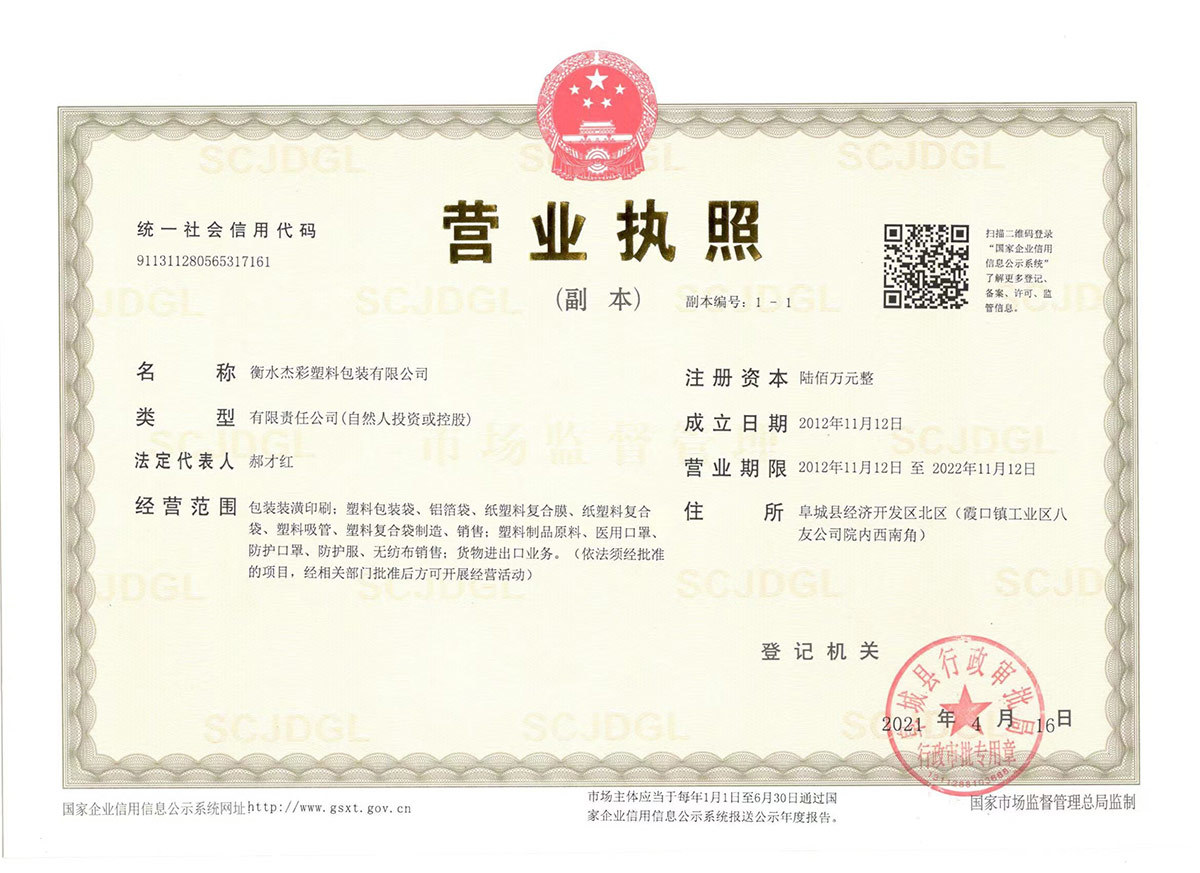
Jiecai plastic packaging, pharmaceutical packaging manufacturers




Understanding Autoclave Sterilization Pouches: Essential Insights for Medical Practices
Release time:
16 Jul,2025
Autoclave sterilization pouches are essential tools in the medical and healthcare industry, designed to ensure the safe and effective sterilization of various instruments and devices. These pouches provide a protective barrier against contamination, helping to maintain the sterility of items until they are needed for use. Understanding the features and functionalities of autoclave sterilization po

Autoclave sterilization pouches are essential tools in the medical and healthcare industry, designed to ensure the safe and effective sterilization of various instruments and devices. These pouches provide a protective barrier against contamination, helping to maintain the sterility of items until they are needed for use. Understanding the features and functionalities of autoclave sterilization pouches is crucial for any medical practice aiming for optimal infection control.
Typically made from medical-grade materials, autoclave sterilization pouches are equipped with a hermetic seal that prevents the entry of microbes and debris. These pouches come in a variety of sizes and can accommodate a range of surgical instruments. One of the most significant advantages of using autoclave pouches is that they can withstand high temperatures and pressures, making them suitable for steam sterilization processes commonly utilized in autoclaves.
There are generally two types of autoclave sterilization pouches: paper-plastic pouches and all-plastic pouches. Paper-plastic pouches consist of a combination of paper and plastic, allowing for breathability during the sterilization cycle while providing a barrier against contaminants afterward. On the other hand, all-plastic pouches are entirely made of plastic, offering a transparent view of the contents, which can be beneficial for quick identification.
To use autoclave sterilization pouches effectively, it is crucial to follow proper procedures. Begin by placing the instruments inside the pouch, ensuring they do not exceed the recommended fill line for optimal steam circulation. Once sealed, the pouch should be placed in the autoclave in a position that promotes even heat distribution. After the sterilization cycle is complete, it is important to allow the pouches to cool before handling them to prevent burns or damage to the contents.
Additionally, labeling the pouches with relevant information, such as the date of sterilization and the contents, can further enhance inventory management and ensure the timely use of sterilized instruments. Regular quality checks on the pouches and the autoclave itself are also necessary to maintain high standards of sterilization and reduce the risk of infection.
In conclusion, autoclave sterilization pouches are integral to infection control in medical settings. They not only protect sterilized instruments but also ensure that these items remain safe until they are needed. By understanding the types, proper usage, and maintenance of these pouches, healthcare practitioners can significantly enhance their sterilization processes and ultimately improve patient safety.
Typically made from medical-grade materials, autoclave sterilization pouches are equipped with a hermetic seal that prevents the entry of microbes and debris. These pouches come in a variety of sizes and can accommodate a range of surgical instruments. One of the most significant advantages of using autoclave pouches is that they can withstand high temperatures and pressures, making them suitable for steam sterilization processes commonly utilized in autoclaves.
There are generally two types of autoclave sterilization pouches: paper-plastic pouches and all-plastic pouches. Paper-plastic pouches consist of a combination of paper and plastic, allowing for breathability during the sterilization cycle while providing a barrier against contaminants afterward. On the other hand, all-plastic pouches are entirely made of plastic, offering a transparent view of the contents, which can be beneficial for quick identification.
To use autoclave sterilization pouches effectively, it is crucial to follow proper procedures. Begin by placing the instruments inside the pouch, ensuring they do not exceed the recommended fill line for optimal steam circulation. Once sealed, the pouch should be placed in the autoclave in a position that promotes even heat distribution. After the sterilization cycle is complete, it is important to allow the pouches to cool before handling them to prevent burns or damage to the contents.
Additionally, labeling the pouches with relevant information, such as the date of sterilization and the contents, can further enhance inventory management and ensure the timely use of sterilized instruments. Regular quality checks on the pouches and the autoclave itself are also necessary to maintain high standards of sterilization and reduce the risk of infection.
In conclusion, autoclave sterilization pouches are integral to infection control in medical settings. They not only protect sterilized instruments but also ensure that these items remain safe until they are needed. By understanding the types, proper usage, and maintenance of these pouches, healthcare practitioners can significantly enhance their sterilization processes and ultimately improve patient safety.
Key words:
recommend reading