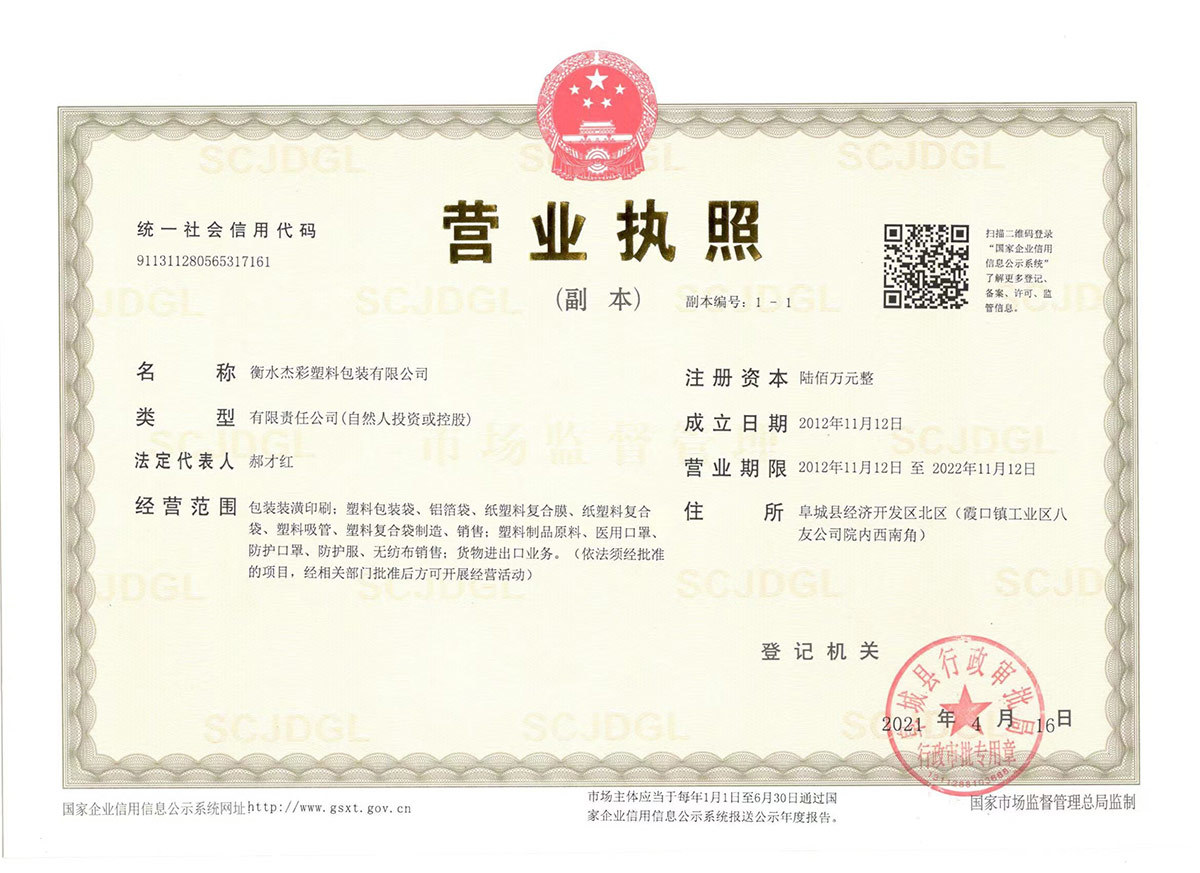
Jiecai plastic packaging, pharmaceutical packaging manufacturers




Understanding Tyvek Sterilization Pouches: Essential Tools for Medical Device Safety
Release time:
16 Mar,2025
Tyvek sterilization pouches are critical components in the healthcare sector, particularly in the field of medical device sterilization. Made from high-density polyethylene fibers, Tyvek material is known for its durability, breathability, and resistance to various sterilization methods. This unique composition makes Tyvek sterilization pouches an ideal choice for protecting sterile contents while

Tyvek sterilization pouches are critical components in the healthcare sector, particularly in the field of medical device sterilization. Made from high-density polyethylene fibers, Tyvek material is known for its durability, breathability, and resistance to various sterilization methods. This unique composition makes Tyvek sterilization pouches an ideal choice for protecting sterile contents while ensuring effective sterilization.
One of the primary benefits of Tyvek sterilization pouches is their ability to allow steam and gas to penetrate and reach the items inside. This characteristic is essential for achieving high levels of sterilization, as it ensures that all surfaces of the medical instruments are effectively treated. Additionally, Tyvek material provides a reliable barrier against contaminants, helping to maintain the sterility of the instruments until they are ready for use.
When utilizing Tyvek sterilization pouches, it is crucial to follow best practices to ensure optimal performance. First, it is important to select the appropriate size of pouch for the instruments being sterilized. Overfilling a pouch can compromise sterilization effectiveness and increase the risk of contamination. Secondly, ensuring that the pouches are properly sealed is vital. An inadequate seal can lead to exposure to environmental contaminants, negating the advantages of sterilization.
Moreover, Tyvek sterilization pouches are compatible with various sterilization methods, including steam, ethylene oxide, and hydrogen peroxide plasma. This versatility makes them a preferred choice in diverse medical settings. It is essential to check the compatibility of the chosen sterilization method with the Tyvek material to maintain its integrity during the process.
Furthermore, proper labeling of Tyvek sterilization pouches is important for tracking sterilization cycles and ensuring that the contents can be easily identified. Using clear, concise labels helps healthcare professionals quickly locate and utilize the necessary instruments while minimizing the risk of using non-sterile items.
In addition to their functional benefits, Tyvek sterilization pouches are also designed to be visually identifiable. Many pouches feature indicator stripes that change color when exposed to specific sterilization conditions, providing an immediate visual confirmation that the sterilization process has been successfully completed.
In conclusion, Tyvek sterilization pouches play a pivotal role in the safety and efficacy of medical instruments in healthcare settings. By understanding their properties, adhering to best practices, and utilizing their features effectively, medical professionals can ensure the highest level of patient care and safety. Always stay informed about the latest guidelines and recommendations for using Tyvek sterilization pouches to maximize their benefits in your practice.
One of the primary benefits of Tyvek sterilization pouches is their ability to allow steam and gas to penetrate and reach the items inside. This characteristic is essential for achieving high levels of sterilization, as it ensures that all surfaces of the medical instruments are effectively treated. Additionally, Tyvek material provides a reliable barrier against contaminants, helping to maintain the sterility of the instruments until they are ready for use.
When utilizing Tyvek sterilization pouches, it is crucial to follow best practices to ensure optimal performance. First, it is important to select the appropriate size of pouch for the instruments being sterilized. Overfilling a pouch can compromise sterilization effectiveness and increase the risk of contamination. Secondly, ensuring that the pouches are properly sealed is vital. An inadequate seal can lead to exposure to environmental contaminants, negating the advantages of sterilization.
Moreover, Tyvek sterilization pouches are compatible with various sterilization methods, including steam, ethylene oxide, and hydrogen peroxide plasma. This versatility makes them a preferred choice in diverse medical settings. It is essential to check the compatibility of the chosen sterilization method with the Tyvek material to maintain its integrity during the process.
Furthermore, proper labeling of Tyvek sterilization pouches is important for tracking sterilization cycles and ensuring that the contents can be easily identified. Using clear, concise labels helps healthcare professionals quickly locate and utilize the necessary instruments while minimizing the risk of using non-sterile items.
In addition to their functional benefits, Tyvek sterilization pouches are also designed to be visually identifiable. Many pouches feature indicator stripes that change color when exposed to specific sterilization conditions, providing an immediate visual confirmation that the sterilization process has been successfully completed.
In conclusion, Tyvek sterilization pouches play a pivotal role in the safety and efficacy of medical instruments in healthcare settings. By understanding their properties, adhering to best practices, and utilizing their features effectively, medical professionals can ensure the highest level of patient care and safety. Always stay informed about the latest guidelines and recommendations for using Tyvek sterilization pouches to maximize their benefits in your practice.
Key words:
recommend reading